Tracing a leak to the gaps around a window
How a defect investigation separates a window frame leak from a roof or wall leak, with examples from homes in the south-east.




In short: A damp patch beside a window looks like a window problem. Sometimes it is. A defect investigation works out which path the water really took.
Start with what the owner sees
Most investigations begin with a stain, a smell or swollen timber. We map where it shows, when it appears and what weather brings it on. Wind driven rain from one direction points to a different source than water after any shower.
Read the wall from outside
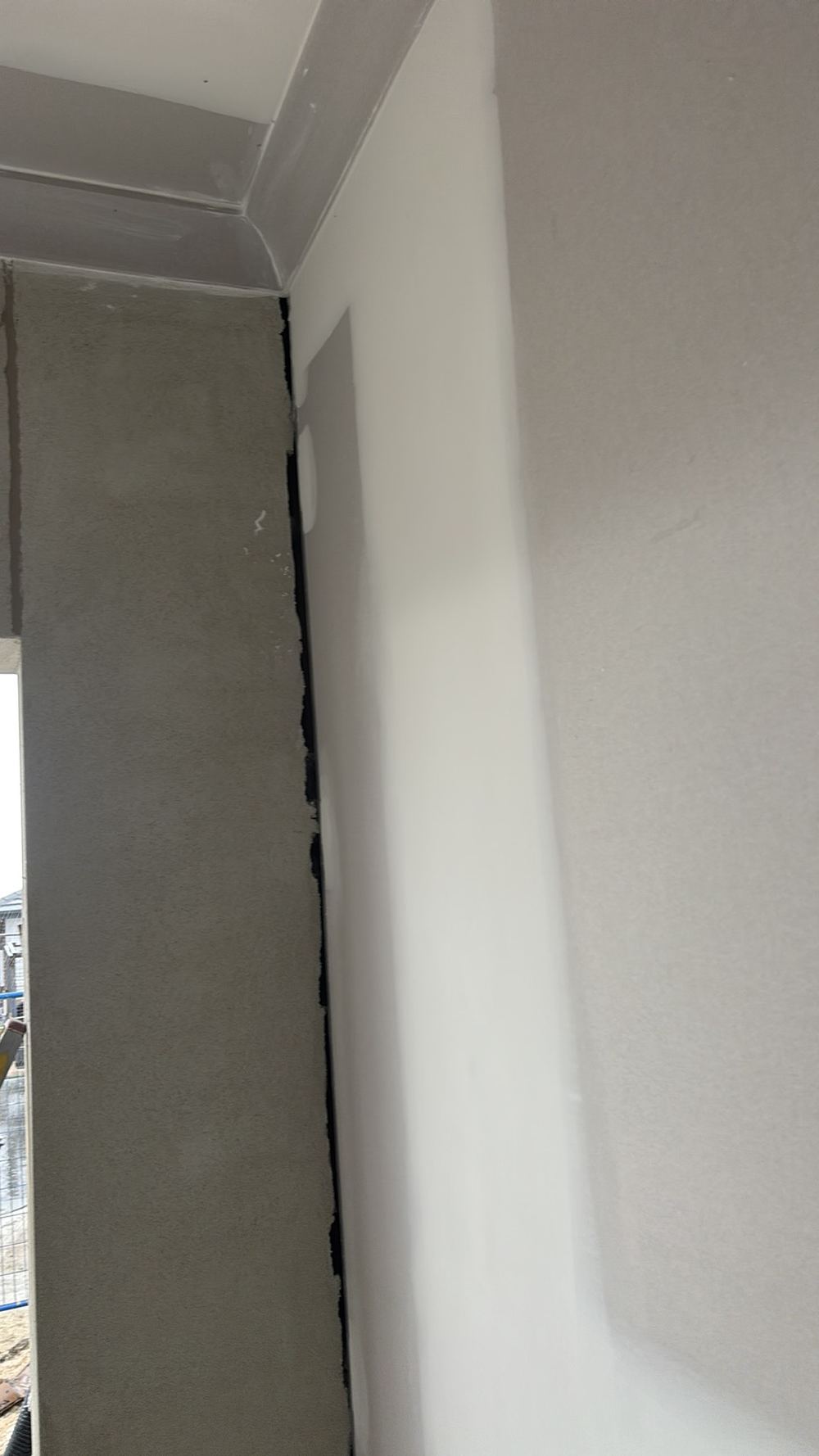
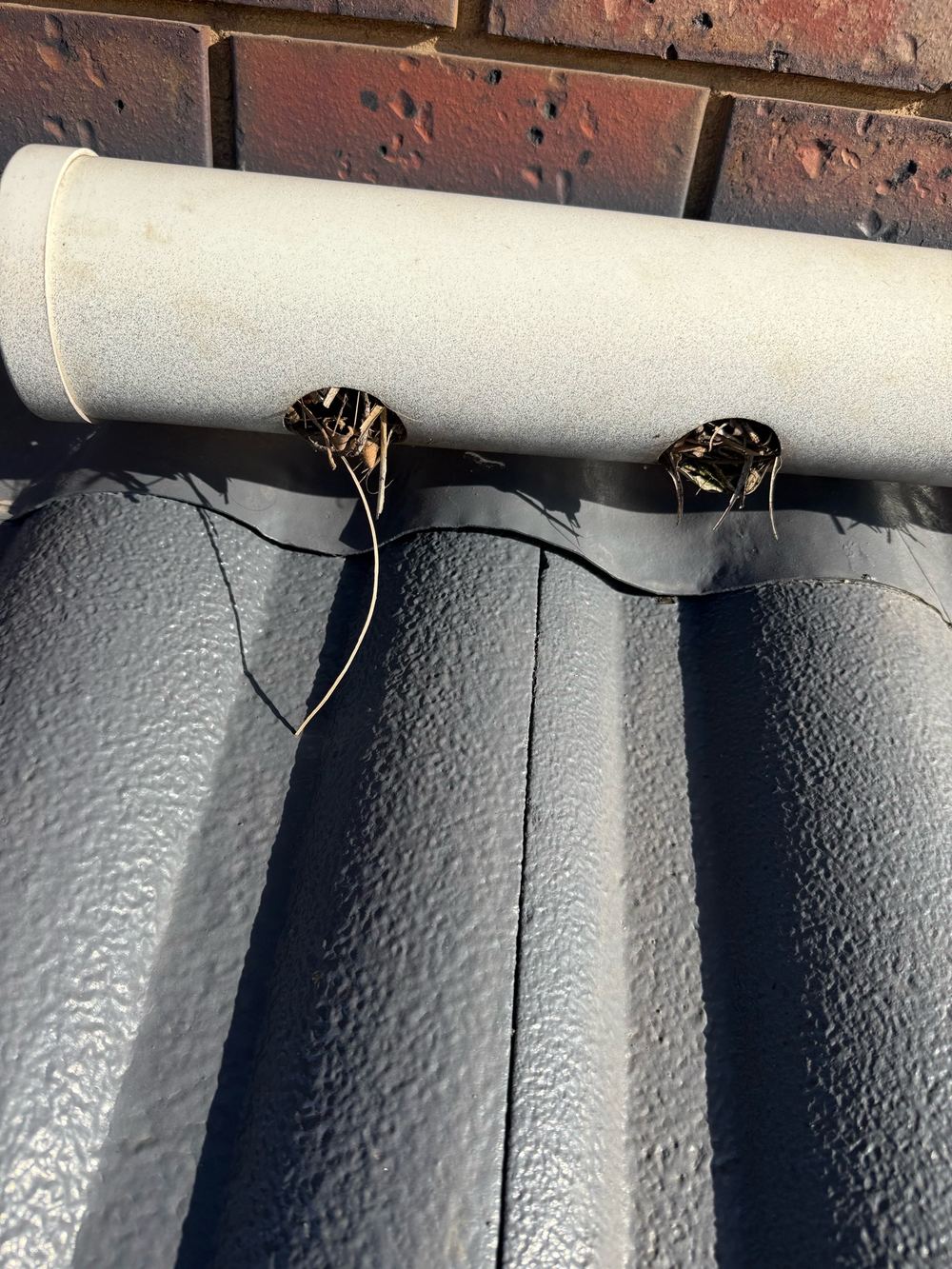
In an April 2026 investigation in Aspendale Gardens, the gaps between window frames and the surrounding brickwork were wide enough to admit wind driven rain. The same house had unsealed articulation joints and gaps in the roof flashing, so three possible paths had to be separated.
Use the instruments
A moisture meter shows how far the wet area spreads inside. A thermal camera shows cool damp zones that the eye cannot see. Together they usually point to one entry point more than another.
Write it up
The report lays out each possible path, the evidence for it and the most likely cause, with clause references where workmanship departs from the standard. It is written for you and the builder so the repair targets the right thing.
What it is not
Tribunals need a different kind of report. If the builder disputes it at the Building and Plumbing Commission or VCAT, an expert witness report is needed.
Written by our local inspection team from work carried out in Clyde North. Licensed building practitioners, Building & Plumbing Commission registration CDB-U 53425.